Map reading
MM2 of The Locust Maps
Build a useful MM2 of The Locust map notebook from visible landmarks and prompts while official map names remain pending.
1. Name landmarks by visible features
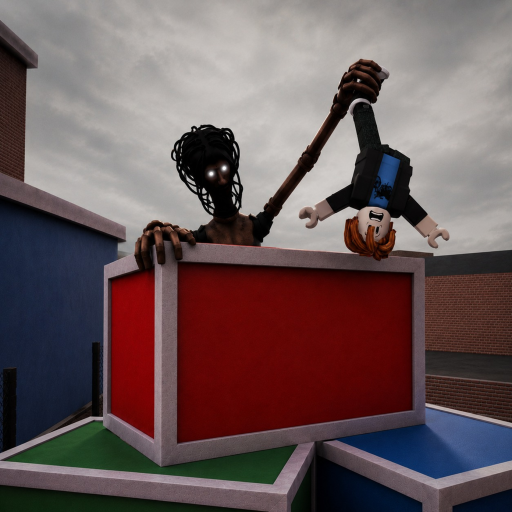
The official description mentions upcoming maps but does not publish a map list. Start with stable visual anchors: a colored wall, a large prop, a staircase, or a distinctive doorway. Use descriptions that another player can verify without knowing your nickname.
Record two directions from each landmark instead of drawing a perfect map immediately. “Blue wall connects to the open yard” is enough to reconstruct a route after several attempts.
2. Connect prompts to locations
When an objective or interaction appears, write the exact prompt and the landmark where it appeared. Note whether the prompt stayed visible, disappeared, or changed after another action. These observations can reveal useful navigation patterns without claiming an undocumented map rule.
Keep version and date beside every note. A Pre-Alpha layout may change while the game keeps the same broad escape premise.
3. Compare routes with a simple scorecard
For each route, track orientation time, interruptions, backtracking, and whether the objective remained visible. Do not score a route by “success” alone; a failed attempt that clearly identifies a dead end is valuable evidence.
Use the same starting point where possible. If the server or player count differs, mark it so readers understand why two results may not compare directly.
Frequently asked questions
Are official MM2 of The Locust map names available?
The tracked Roblox listing does not publish a complete map list. This guide uses player-created landmark notes and labels them as observations.
How do I avoid mapping a temporary bug?
Repeat the landmark or prompt in another round, record the date and build, and keep it marked observed until it survives a meaningful update.